

Advantages of Vertical Ring Rolling machine for Forging Small Rings & Solutions to Pain Points of Traditional Ring Forging
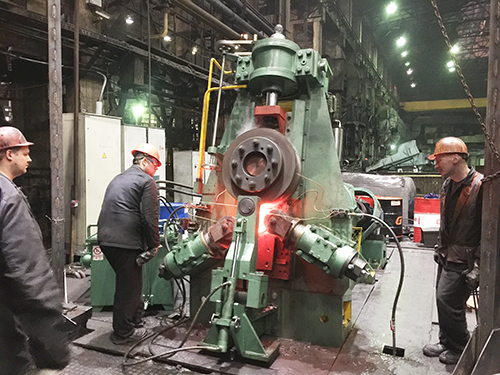
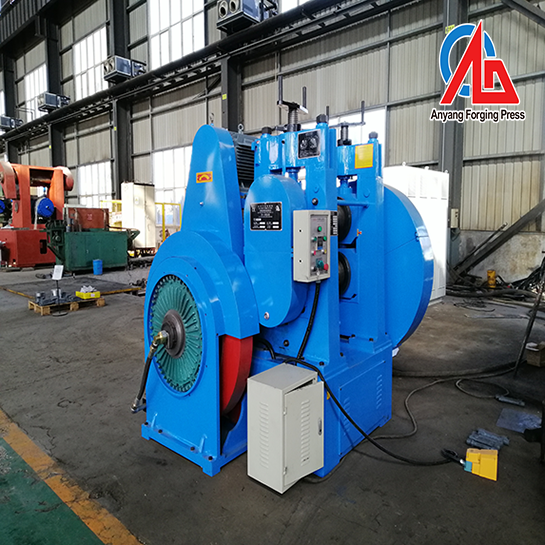
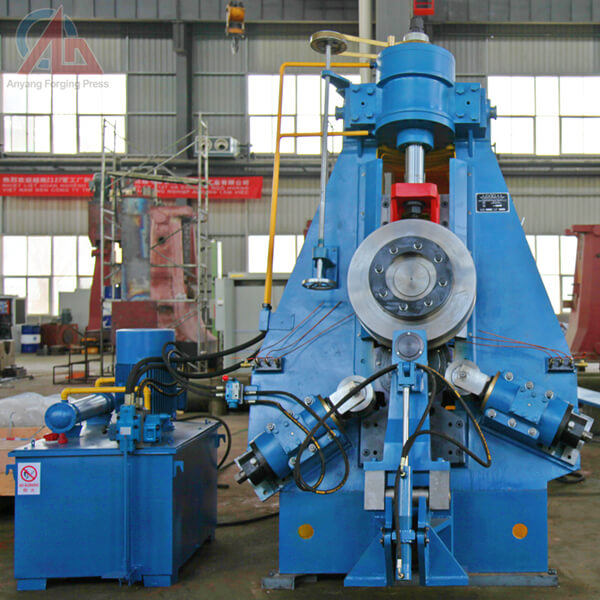
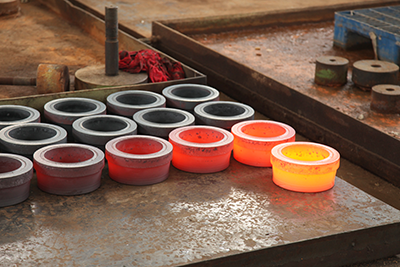
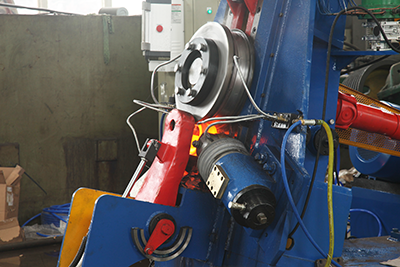
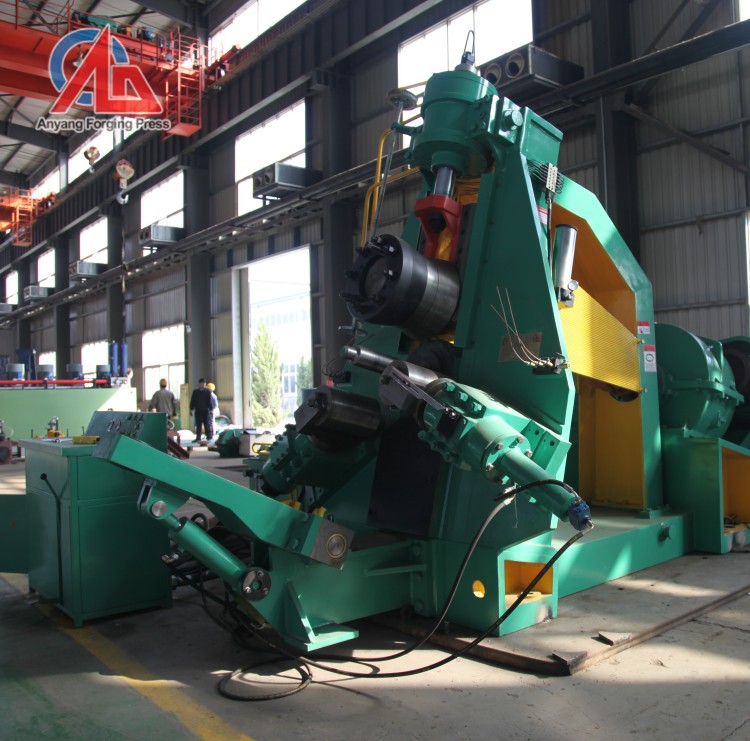
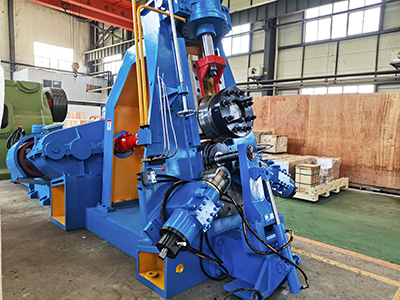
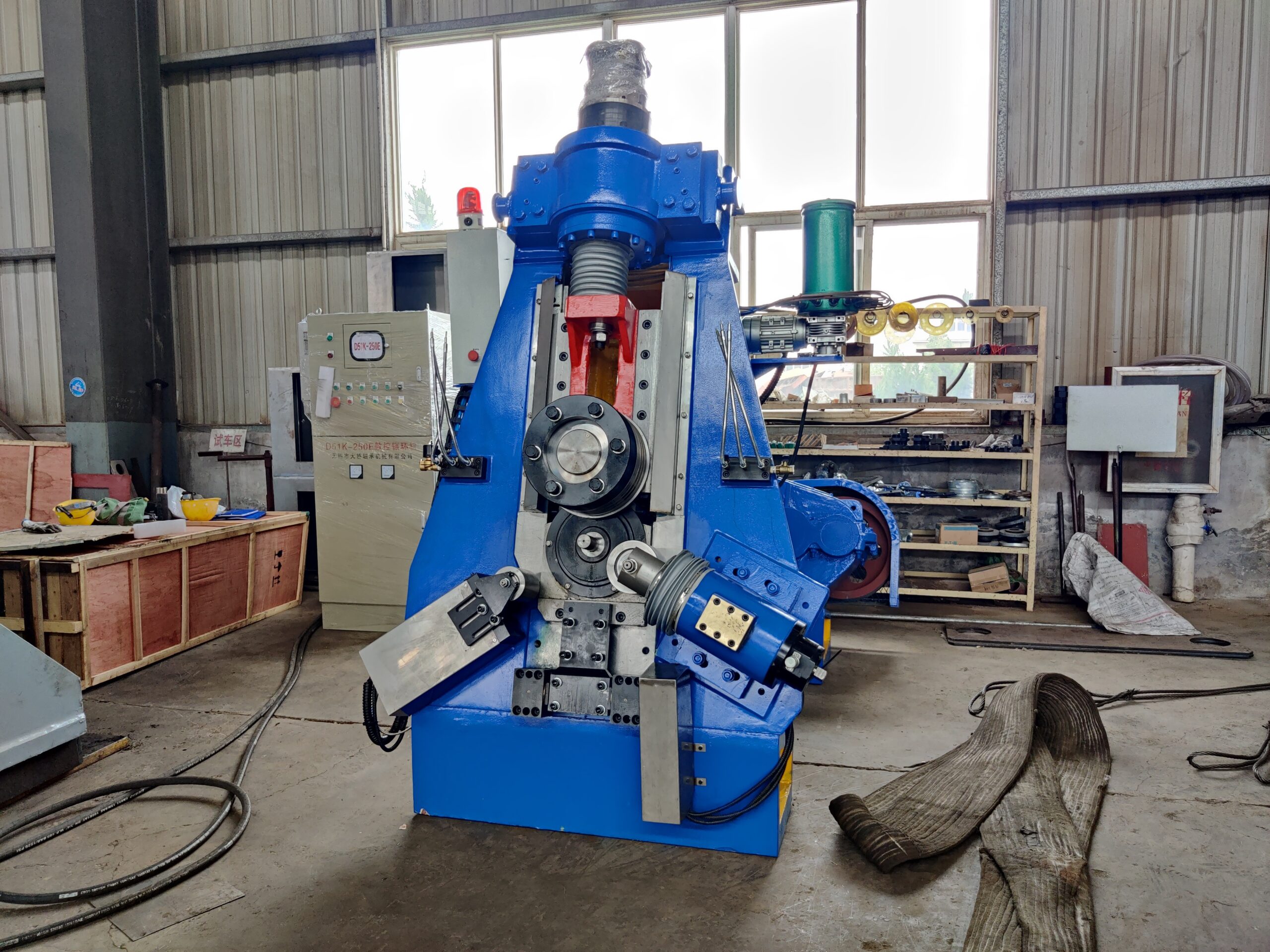
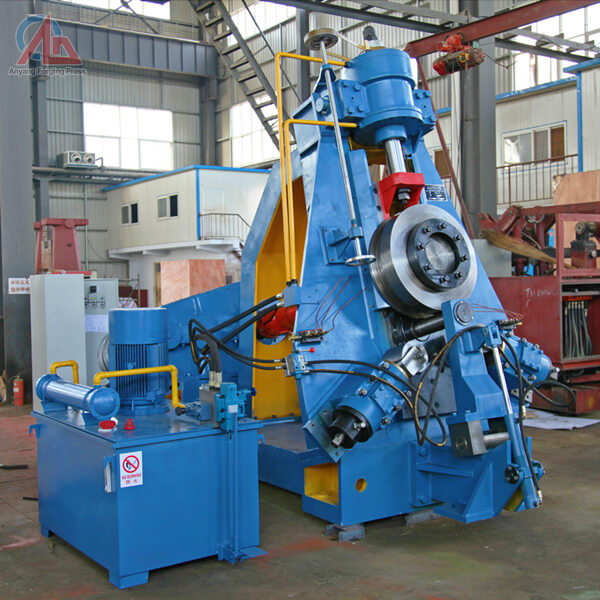
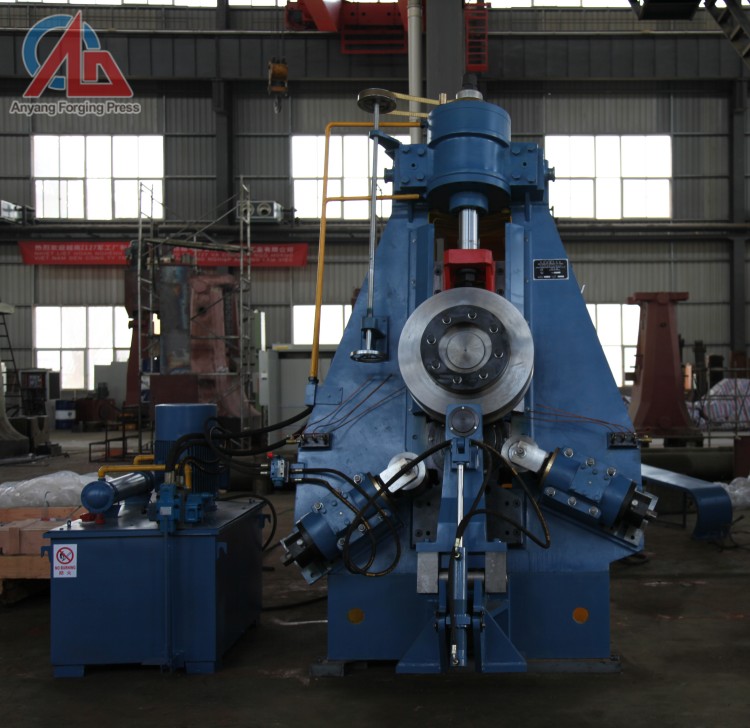
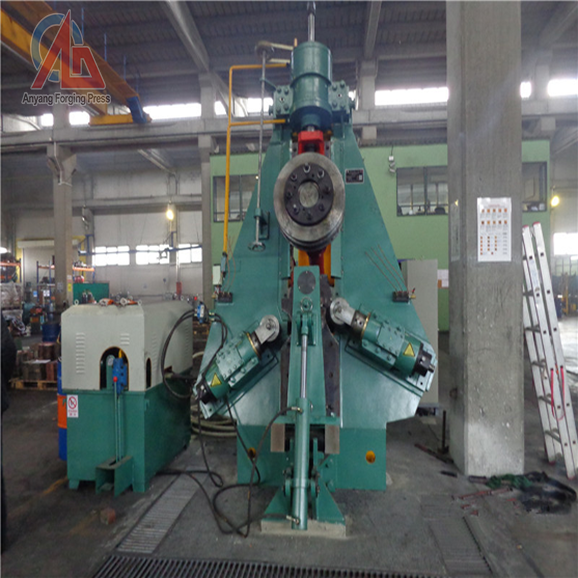
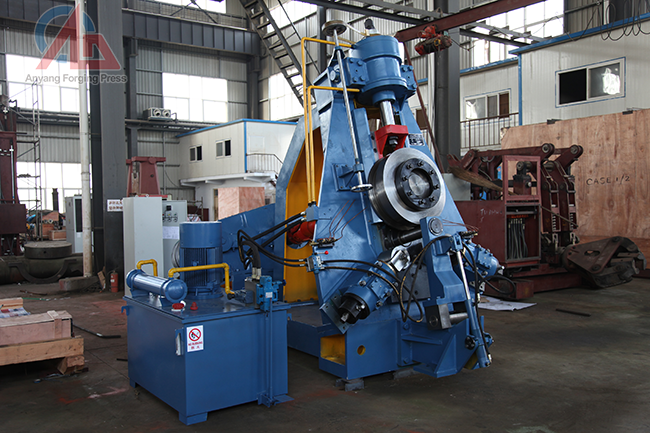
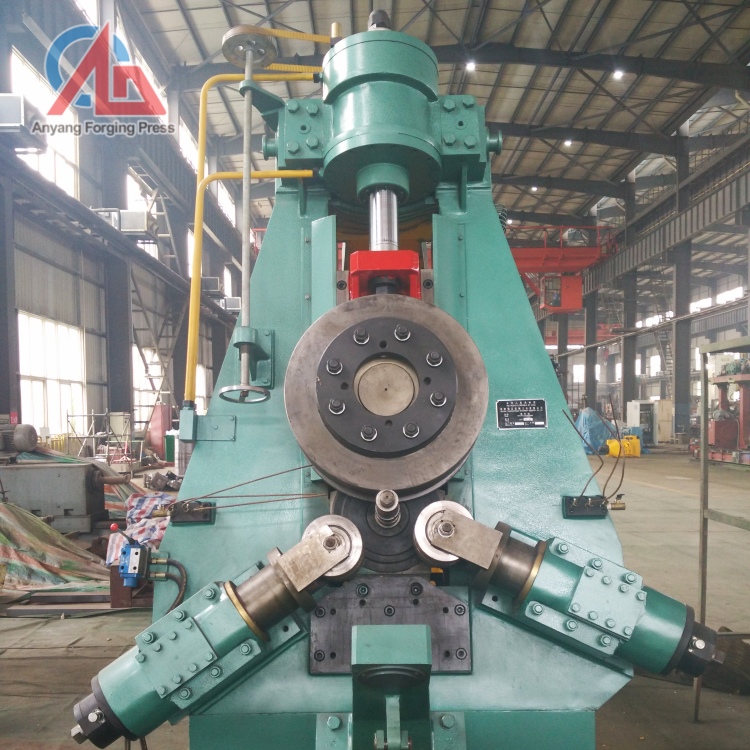
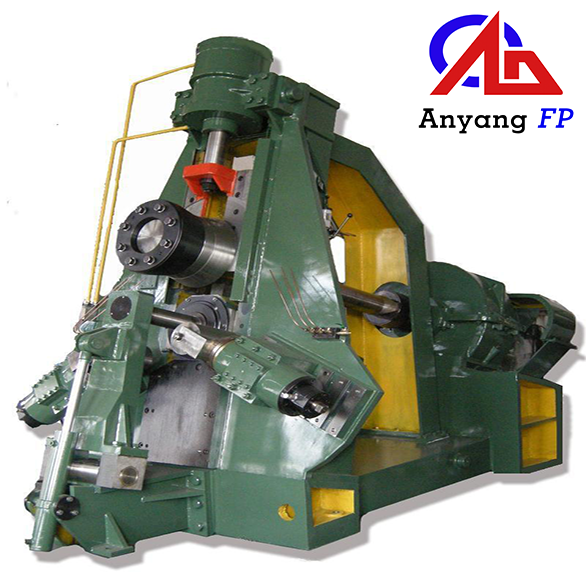
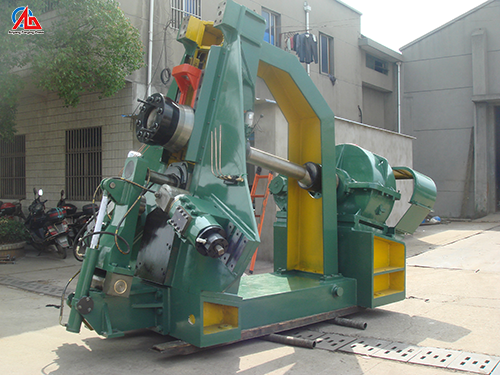
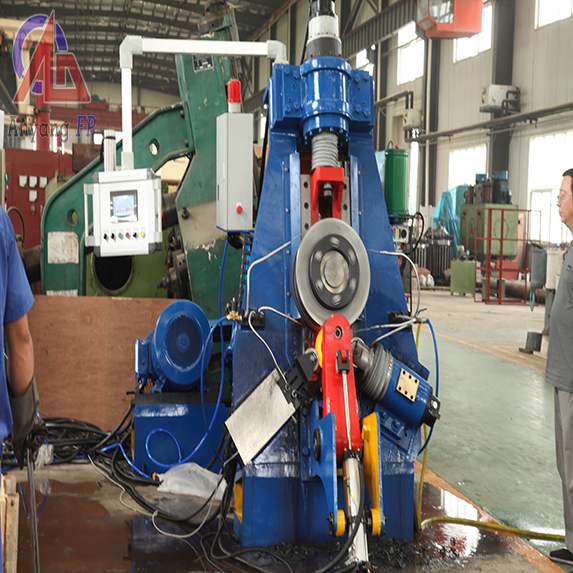
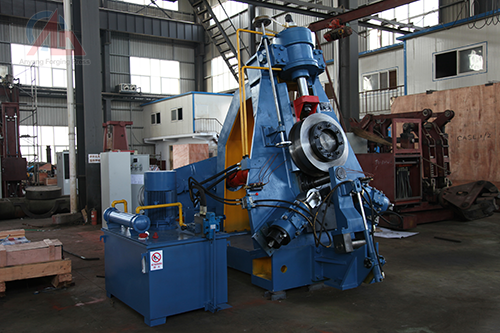
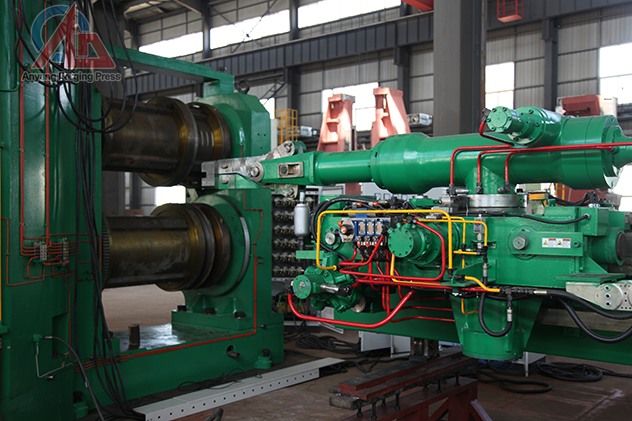
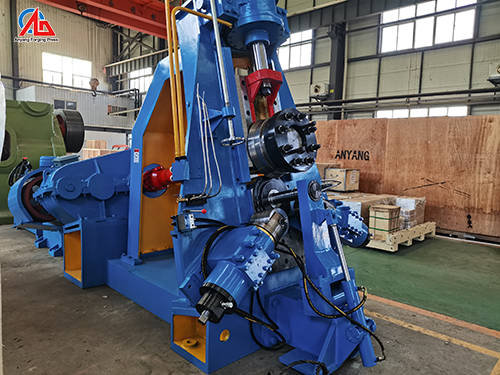
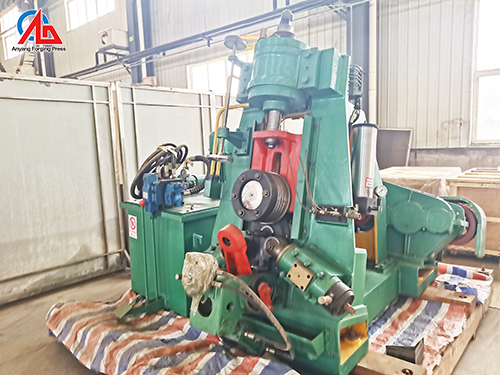
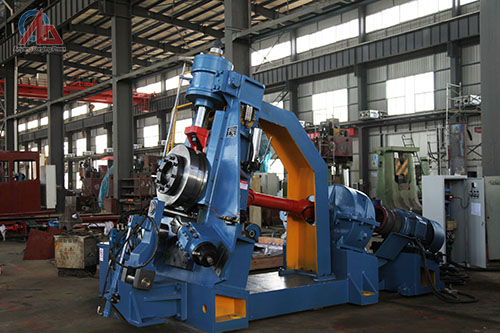
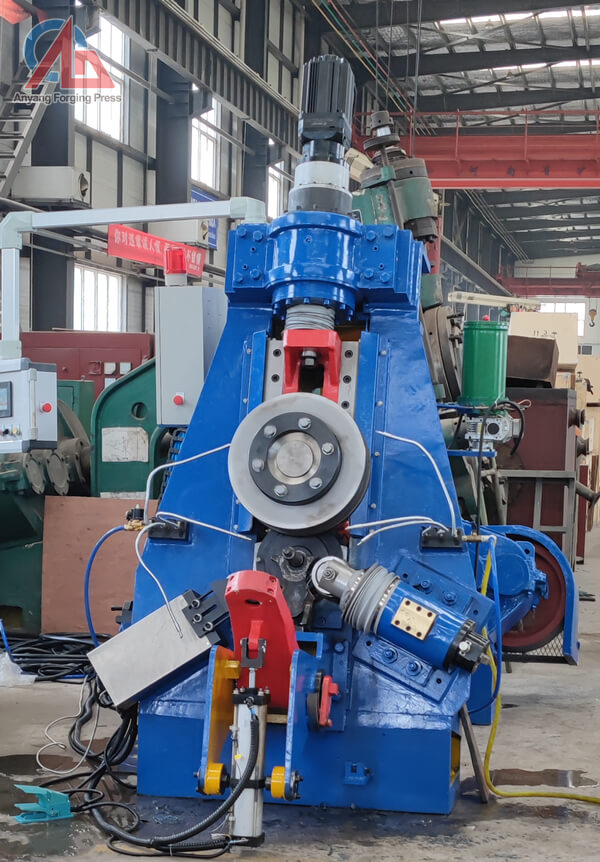
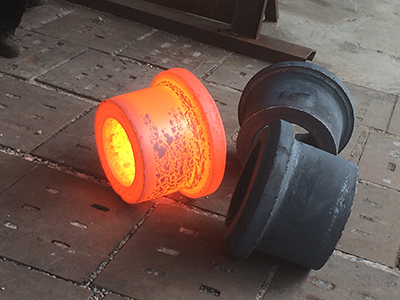
Vertical ring rolling mills are radial ring rolling equipment (only radial rolling, conventional models do not have axial tapered rollers). The ring is placed vertically on the mandrel for rolling. Relying on continuous local plastic deformation, the wall thickness of the ring blank is reduced and the outer diameter is expanded. It is used to produce small and medium-sized seamless ring forgings and is the mainstream forging equipment for bearing rings, small gear rings, and small flanges.
Core Advantages of Vertical Ring Rolling Machines:
Good forming stability and high geometric accuracy: The continuous constraint of guide rollers in the ring rolling machine significantly improves the roundness and wall thickness uniformity of small rings compared to traditional forging processes, greatly reducing machining allowances.
Suitable for small inner diameter rings, with convenient die replacement: The vertical structure and shorter mandrel support span allow for the use of smaller diameter mandrels, making it suitable for the production of small inner diameter, thin-walled small rings.
Excellent metal structure and mechanical properties: By refining and homogenizing grains and compacting the loose internal structure, the fatigue strength and load-bearing capacity of the rings are improved.
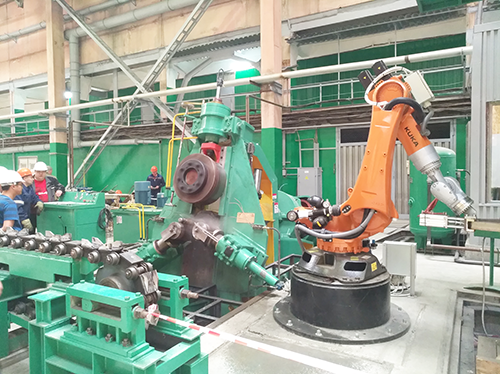
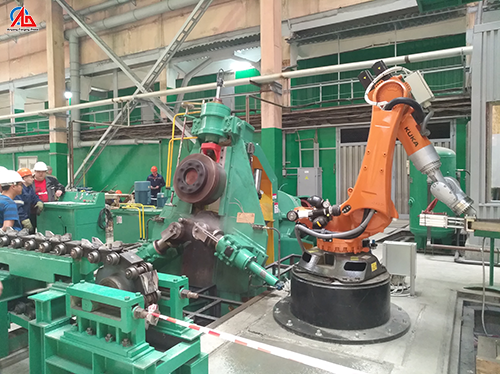
High material utilization and stable production cycle: Easy to automate loading and unloading. Its vertical layout and small horizontal footprint facilitate integration with robotic arms and temperature measurement devices, making it suitable for intelligent production lines for small rings.
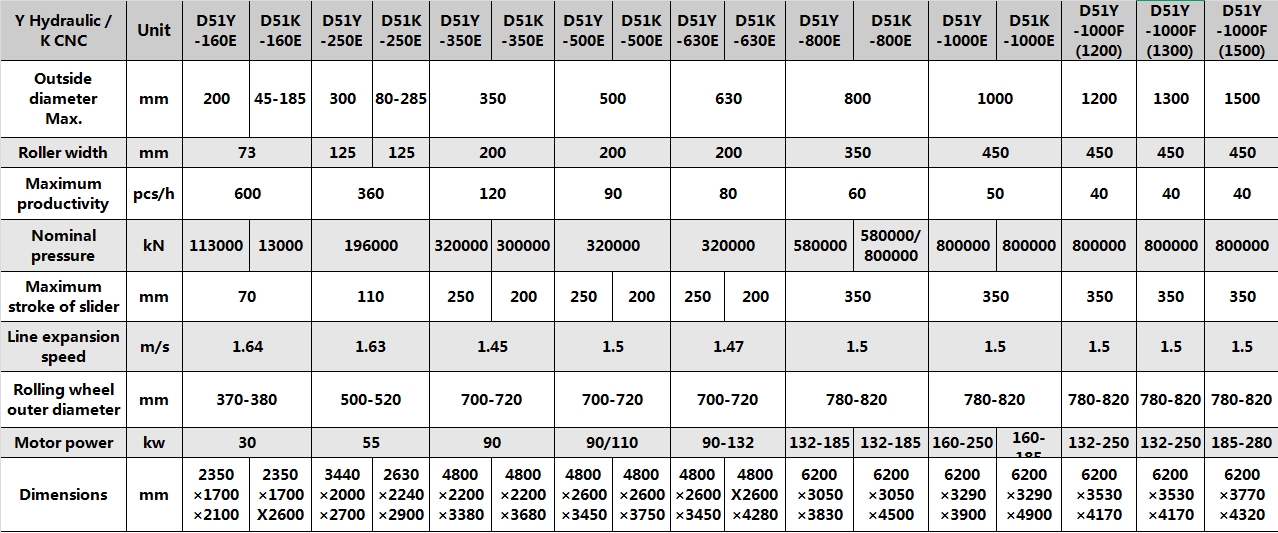
Addressing the main pain points of traditional free forging/hammer-expanded ring forgings:
Solving problems of poor dimensional accuracy and prominent shape and position defects: Traditional anvil reaming is an intermittent impact forging process, prone to elliptical shapes, uneven wall thickness, bulging end faces, and eccentricity, resulting in large fluctuations in finished product tolerances; vertical ring rolling with continuous rotation effectively suppresses distortion.
Solving defects such as broken metal flow lines and uneven microstructure: Traditional forging deformation is discontinuous, easily leading to the interruption of flow lines in some areas and significant differences in grain size, resulting in obvious shortcomings in the fatigue performance of rings; ring rolling achieves continuous circumferential plastic flow, resulting in a dense and uniform microstructure.
Solving the pain points of high material loss and large machining allowances: Traditional forging leaves a large cutting allowance to ensure dimensions, resulting in low yield; ring rolling achieves near-net-shape forming, reducing raw material consumption and subsequent machining time.